
Kitchen Design
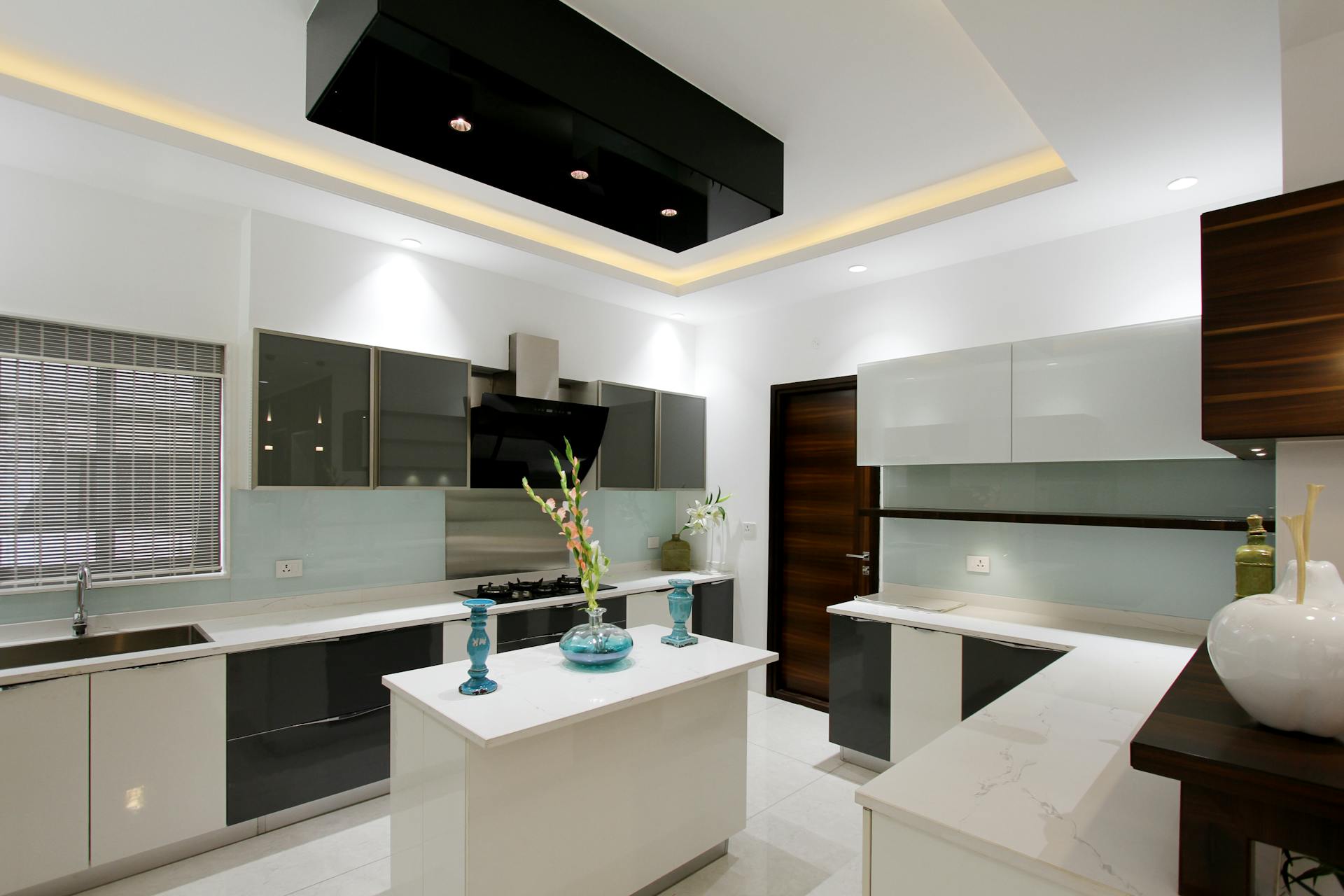
Introduction to Kitchen Design Service
Kitchen design service focuses on planning, designing, and optimizing one of the most important spaces in any home. A well-designed kitchen is not just about aesthetics; it combines functionality, efficiency, and comfort to support daily cooking, dining, and social interactions. Modern kitchens are evolving into multifunctional spaces where design plays a key role in improving lifestyle and usability.
With changing lifestyles and growing interest in interior design, professional kitchen design services have become essential. These services help homeowners create customized kitchens that match their needs, preferences, and available space. From layout planning to material selection and final installation, every element is carefully considered to ensure a seamless and practical design.
What Is Included in a Kitchen Design Service
Space Planning and Layout Design
The foundation of any kitchen design begins with space planning. Designers analyze the available area and create layouts that maximize efficiency and movement. Popular layouts include L-shaped, U-shaped, galley, and open-plan kitchens. The goal is to create a smooth workflow between cooking, cleaning, and storage zones.
Material and Finish Selection
Choosing the right materials is crucial for both durability and visual appeal. Kitchen design services guide clients in selecting cabinets, countertops, backsplashes, flooring, and finishes that suit their style and budget. Materials are chosen based on factors such as maintenance, longevity, and resistance to heat and moisture.
Lighting and Electrical Planning
Lighting plays a significant role in enhancing both functionality and ambiance. Designers plan task lighting for cooking areas, ambient lighting for overall brightness, and accent lighting for visual appeal. Electrical layouts are also designed to ensure safe and convenient placement of appliances and outlets.
Importance of Professional Kitchen Design
Improved Functionality
A professionally designed kitchen ensures that every element is placed for maximum efficiency. The concept of the “kitchen work triangle,” which connects the stove, sink, and refrigerator, is often used to improve workflow and reduce unnecessary movement.
Better Space Utilization
Even small kitchens can feel spacious with proper design. Smart storage solutions, such as pull-out cabinets, vertical shelving, and corner units, help make the most of limited space.
Enhanced Aesthetic Appeal
Kitchen design services focus on creating visually appealing spaces that complement the overall home interior. Color schemes, textures, and finishes are carefully coordinated to achieve a balanced and stylish look.
Types of Kitchen Designs
Modern Kitchen Design
Modern kitchens emphasize clean lines, minimalism, and sleek finishes. They often feature handle-less cabinets, neutral color palettes, and integrated appliances. This style is ideal for those who prefer a contemporary and clutter-free look.
Traditional Kitchen Design
Traditional kitchens focus on classic elements such as detailed cabinetry, warm tones, and decorative features. This style creates a cozy and timeless atmosphere, often incorporating natural materials like wood.
Open-Plan Kitchen
Open-plan kitchens are designed to blend seamlessly with living or dining areas. This layout promotes social interaction and creates a spacious feel. It is particularly popular in modern homes where multifunctional spaces are preferred.
Compact Kitchen Design
Compact kitchens are designed for smaller spaces, such as apartments or studio homes. They prioritize efficiency and storage, ensuring that all essential elements fit within a limited area without compromising usability.
Key Elements of Kitchen Design
Cabinetry and Storage Solutions
Cabinets are one of the most important components of a kitchen. Design services focus on creating efficient storage solutions that keep the space organized. Options include base cabinets, wall cabinets, and custom storage units tailored to specific needs.
Countertops and Work Surfaces
Countertops serve as the primary workspace in a kitchen. Materials such as granite, quartz, and laminate are commonly used for their durability and ease of maintenance. The design ensures sufficient workspace for cooking and preparation.
Appliances and Integration
Modern kitchens incorporate a range of appliances, including ovens, refrigerators, dishwashers, and microwaves. Design services ensure that these appliances are seamlessly integrated into the layout for both functionality and aesthetics.
Ventilation and Safety
Proper ventilation is essential to maintain air quality and remove cooking odors. Chimneys, exhaust fans, and ventilation systems are strategically placed to ensure effective airflow. Safety considerations, such as fire-resistant materials and proper spacing, are also prioritized.
Customization and Personalization
Tailored Design Solutions
Kitchen design services offer customized solutions based on individual preferences. Clients can choose layouts, colors, materials, and finishes that reflect their personal style and lifestyle requirements.
Smart Kitchen Features
Modern kitchens often include smart technology, such as automated lighting, touchless faucets, and smart appliances. These features enhance convenience and efficiency, making daily tasks easier.
Ergonomic Design
Ergonomics plays a crucial role in kitchen design. Counter heights, cabinet placements, and appliance positioning are carefully planned to reduce strain and improve comfort during use.
The Kitchen Design Process
Initial Consultation
The process begins with understanding the client’s needs, preferences, and budget. Designers gather information about cooking habits, storage requirements, and design preferences to create a tailored plan.
Concept Development
Based on the consultation, designers develop concepts and layouts. This stage may include sketches, 3D models, and material samples to help clients visualize the final design.
Design Finalization
After feedback and revisions, the final design is approved. Detailed plans and specifications are prepared, ensuring that all elements are clearly defined before implementation.
Installation and Execution
The final stage involves installation and execution. Skilled professionals handle cabinetry, appliances, lighting, and finishing work, ensuring that the design is implemented accurately and efficiently.
Challenges in Kitchen Design
Space Constraints
Limited space can be a challenge, especially in urban homes. Designers must find creative solutions to maximize functionality without overcrowding the area.
Budget Management
Balancing design preferences with budget constraints requires careful planning. Prioritizing essential elements and choosing cost-effective materials can help manage expenses.
Coordination and Execution
Kitchen design involves multiple components, including plumbing, electrical work, and carpentry. Proper coordination is necessary to ensure smooth execution and avoid delays.
Trends in Modern Kitchen Design
Minimalist Designs
Minimalism continues to be a popular trend, focusing on simplicity, clean lines, and clutter-free spaces. This approach creates a modern and elegant kitchen environment.
Sustainable Materials
Eco-friendly materials and energy-efficient appliances are becoming more common. Sustainable design not only benefits the environment but also reduces long-term costs.
Multi-Functional Spaces
Kitchens are increasingly being designed as multi-functional areas that serve as dining spaces, workstations, and social hubs. This trend reflects the changing role of kitchens in modern homes.