
Prefabricated House
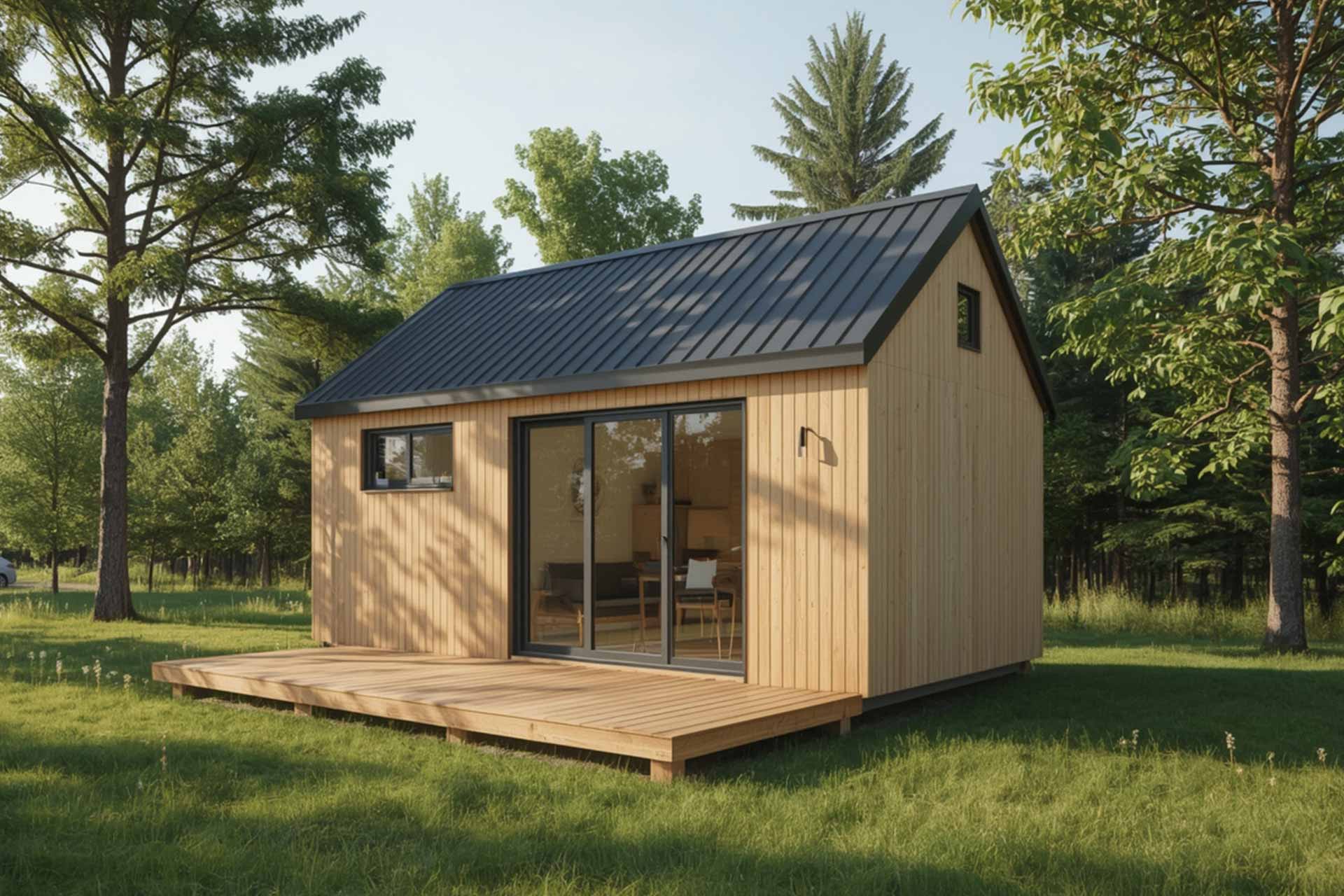
Introduction to Prefabricated House Service
Prefabricated house service refers to the complete process of designing, manufacturing, transporting, and assembling homes using factory-built components. Unlike traditional construction, where everything is built on-site, prefabricated homes are partially or fully constructed in controlled factory environments and then installed at the final location. This method has gained strong global demand due to its speed, cost efficiency, and consistent quality.
In today’s fast-paced world, homeowners and developers seek solutions that reduce construction time without compromising structural integrity or design flexibility. Prefabricated housing services address these needs by offering streamlined processes, advanced engineering, and modern aesthetics. From small modular homes to large family residences, this approach adapts to different lifestyles and budgets while maintaining high construction standards.
What Is Included in a Prefabricated House Service
Design and Planning
A prefabricated house service typically begins with a detailed design phase. Clients can choose from pre-designed layouts or request customized floor plans based on their needs. Architects and engineers collaborate to ensure the design meets building codes, structural requirements, and energy efficiency standards. This stage often includes 3D visualizations and technical drawings to give a clear understanding of the final result.
Factory-Based Manufacturing
Once the design is approved, construction shifts to a controlled factory setting. Walls, floors, roofs, and structural components are manufactured using precise machinery and quality-controlled processes. This environment eliminates many uncertainties found in traditional construction, such as weather delays or inconsistent workmanship. The result is a more reliable and uniform build quality.
Transportation and Assembly
After manufacturing, the components are transported to the site and assembled. Depending on the type of prefabricated system, the installation process can take days or weeks instead of months. Skilled technicians handle the assembly, ensuring all parts fit seamlessly. This phase includes structural setup, finishing, and connection of utilities such as electricity, plumbing, and insulation.
Types of Prefabricated Houses
Modular Homes
Modular homes are built in sections or modules within a factory and then transported to the site for assembly. These homes are highly customizable and can be expanded or modified over time. They follow the same building codes as traditional homes and are known for their durability and flexibility.
Panelized Homes
Panelized homes consist of pre-built wall panels, roof trusses, and floor systems. These panels are assembled on-site like a puzzle. This type offers greater architectural flexibility and is often used for more complex designs that require customization.
Manufactured Homes
Manufactured homes are fully constructed in factories and delivered to the site as complete units. They are usually placed on permanent or semi-permanent foundations. These homes are cost-effective and ideal for quick housing solutions.
Kit Homes
Kit homes come with all necessary materials and instructions for assembly. While some professional assistance is still required, these homes provide a semi-DIY approach and are popular among budget-conscious buyers who want more control over construction.
Benefits of Prefabricated House Services
Faster Construction Time
One of the biggest advantages is speed. Since factory construction and site preparation can occur simultaneously, overall project timelines are significantly reduced. This allows homeowners to move in much sooner compared to traditional builds.
Cost Efficiency
Prefabricated homes often cost less due to bulk material purchasing, reduced labor requirements, and minimal on-site delays. Budget predictability is another benefit, as most costs are determined upfront, reducing unexpected expenses.
High Quality and Precision
Factory-controlled environments ensure consistent quality. Advanced machinery and standardized processes minimize human error, resulting in precise measurements and better structural integrity.
Sustainability and Energy Efficiency
Prefabricated construction generates less waste and uses materials more efficiently. Many homes are designed with energy-saving features such as improved insulation, energy-efficient windows, and eco-friendly materials. This reduces long-term utility costs and environmental impact.
Customization and Design Flexibility
Modern Architectural Options
Prefabricated homes are no longer limited to simple or basic designs. Today, they offer a wide range of architectural styles, from minimalist and contemporary to traditional and luxury layouts. Clients can choose finishes, materials, colors, and layouts that match their preferences.
Interior Personalization
Interior spaces can be tailored to individual lifestyles. Options include open-plan living areas, smart storage solutions, and customized kitchens and bathrooms. Advanced design tools allow clients to visualize changes before construction begins.
Scalability and Expansion
Prefabricated homes can be easily expanded by adding new modules or sections. This makes them ideal for growing families or future upgrades. The modular nature ensures that expansions integrate seamlessly with the existing structure.
The Construction Process Explained
Site Preparation
Before installation, the site is prepared with foundations, utilities, and access routes. This step is crucial to ensure smooth assembly and long-term stability. Proper planning reduces delays during the installation phase.
Delivery and Installation
Once the components arrive, the assembly process begins. Cranes and specialized equipment may be used to position modules or panels accurately. The structure is then secured, and exterior finishes are completed.
Final Finishing and Inspection
After assembly, interior finishing such as flooring, painting, and fixtures is completed. The house undergoes thorough inspections to ensure safety, compliance, and quality standards before handover.
Challenges and Considerations
Transportation Limitations
Transporting large modules requires careful planning and logistics. Road restrictions and distance can impact costs and feasibility, especially for remote locations.
Initial Planning Requirements
Prefabricated construction requires detailed planning upfront. Changes during later stages can be more difficult compared to traditional construction, so decisions must be finalized early.
Land and Regulations
Local building codes, zoning laws, and permits must be considered. Not all areas have the same regulations for prefabricated homes, so compliance is essential for a smooth project.
Future of Prefabricated Housing
Technological Advancements
The industry continues to evolve with innovations such as 3D modeling, automation, and smart home integration. These advancements improve efficiency, design accuracy, and user experience.
Growing Demand
Urbanization and housing shortages are driving the demand for faster and more affordable construction solutions. Prefabricated housing is becoming a key solution for both residential and commercial projects worldwide.
Sustainable Development
As environmental concerns grow, prefabricated construction is gaining attention for its reduced carbon footprint and efficient use of resources. Future developments will likely focus even more on green materials and energy-efficient designs.